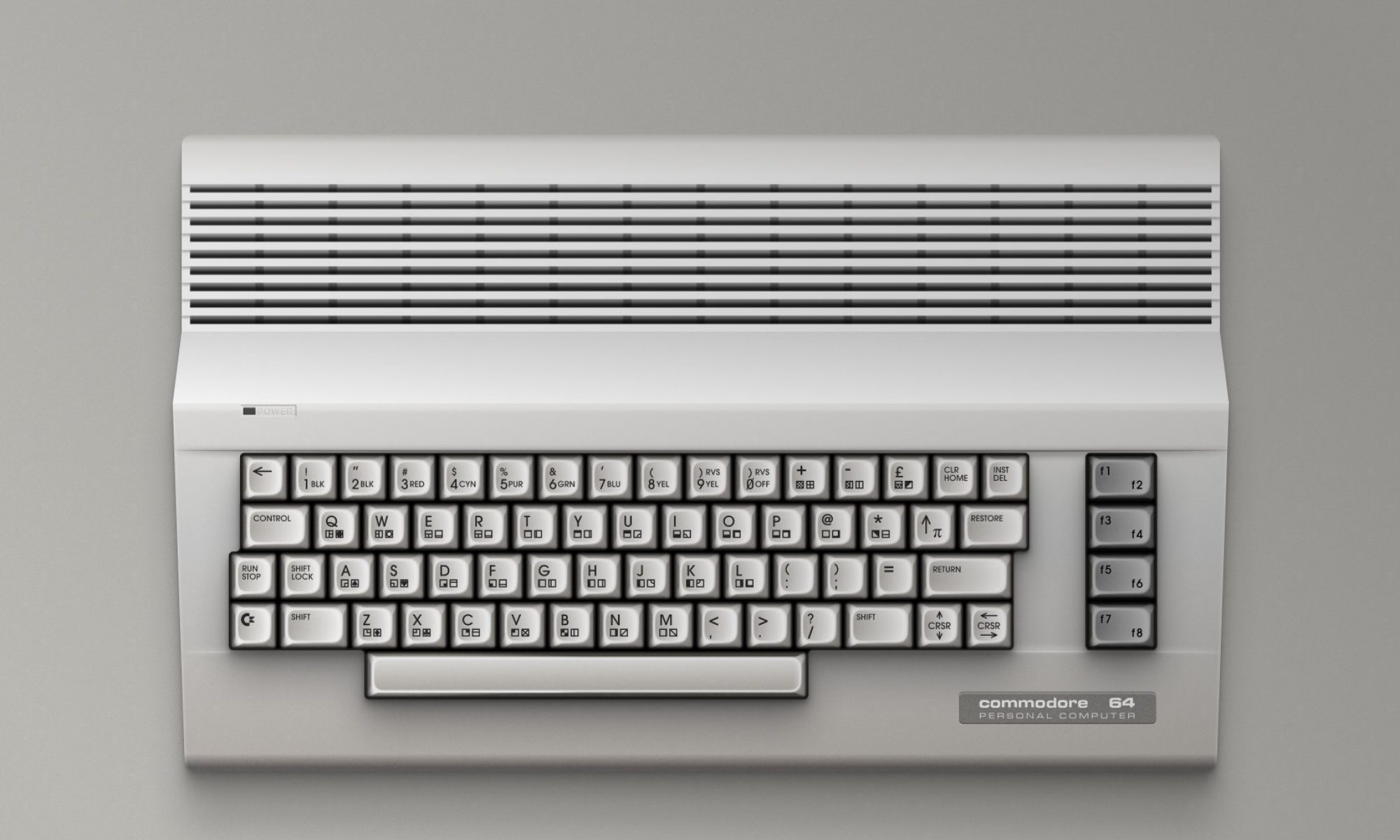
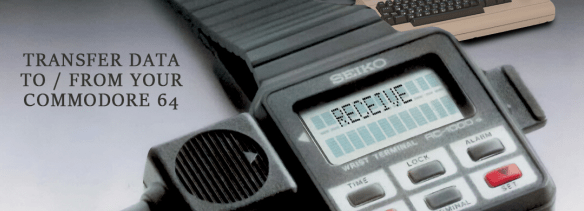
The connection between the Commodore 64 and a “Seiko smartwatch” likely refers to the Seiko RC-1000 Wrist Terminal, introduced in 1984, which was compatible with various computers of the era, including the Commodore 64. The RC-1000 is considered one of the earliest “smartwatches,” though its capabilities were far more limited than modern devices. Below is a detailed breakdown of the RC-1000 and its integration with the Commodore 64.
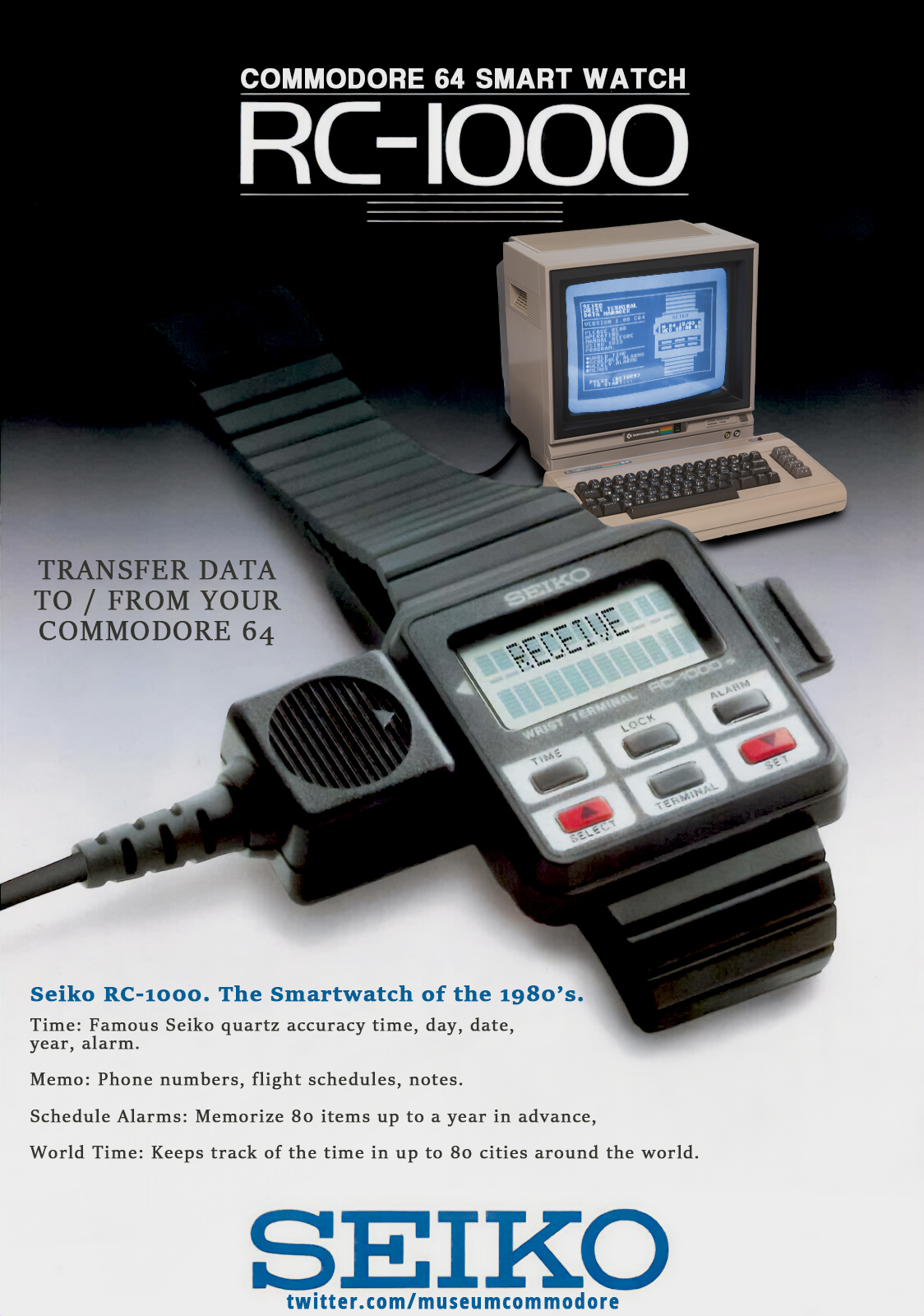
Seiko RC-1000 Wrist Terminal: Overview
The Seiko RC-1000 was a groundbreaking wearable device launched in 1984. Rather than a standalone smartwatch, it functioned as a wrist-mounted data terminal that interfaced with computers like the Commodore 64. Its key features included:
- Display: Monochrome LCD screen capable of showing basic text, such as time, date, or short messages.
- Memory: 2 KB of RAM, sufficient for storing small amounts of data like calendar entries, reminders, or contacts.
- Connectivity: Connected to computers via a serial port using a specialized cable and software. It was compatible with systems like the Commodore 64, Apple II, IBM PC, and others.
- Functions:
- Time and date display.
- Calendar and reminder management.
- Data transfer to and from a computer (e.g., phone numbers, notes).
- Basic calculator functionality.
- Design: Bulky by modern standards but wearable, with a functional rather than aesthetic focus. The design reflected the technological constraints of the 1980s.
- Battery: Powered by a long-lasting battery, as the low-power LCD consumed minimal energy.
Connection to the Commodore 64
The Commodore 64, the iconic 8-bit home computer released in 1982, was one of the most popular platforms of its time and supported the Seiko RC-1000. Here’s how they worked together:
- Hardware Connection:
- The RC-1000 connected to the Commodore 64 via a dedicated cable, typically through the C64’s user port or serial port (depending on the setup).
- An additional interface module might have been required to facilitate communication between the watch and the computer.
- Software Support:
- Seiko provided software for the Commodore 64, distributed on cassette or floppy disk, to manage the RC-1000.
- The software allowed users to upload data (e.g., calendar entries, notes, or contacts) to the RC-1000’s memory or retrieve data from it.
- Written in BASIC or assembly, the program leveraged the C64’s capabilities for basic data handling.
- Practical Use:
- Users could edit calendars or notes on the Commodore 64 and sync them to the RC-1000, making the data portable.
- The RC-1000 operated offline, allowing users to view stored information or perform simple tasks without a computer connection.
- Data transfer was slow, and the RC-1000’s limited memory meant it could only handle small amounts of information.
The Seiko RC-1000 Wrist Terminal was a fascinating 1980s experiment that allowed basic data syncing with the Commodore 64, offering a glimpse into portable computing. While not comparable to today’s smartwatches, it was innovative for its time, enabling users to carry small amounts of data like calendars or notes. The Commodore 64’s role as a compatible platform highlights its versatility in the early computing era. Modern C64-inspired smartwatch projects, like those using the LILYGO T-Watch, are niche tributes to this legacy but remain non-commercial.
Discover more from The Universe of Commodore 64
Subscribe to get the latest posts sent to your email.
