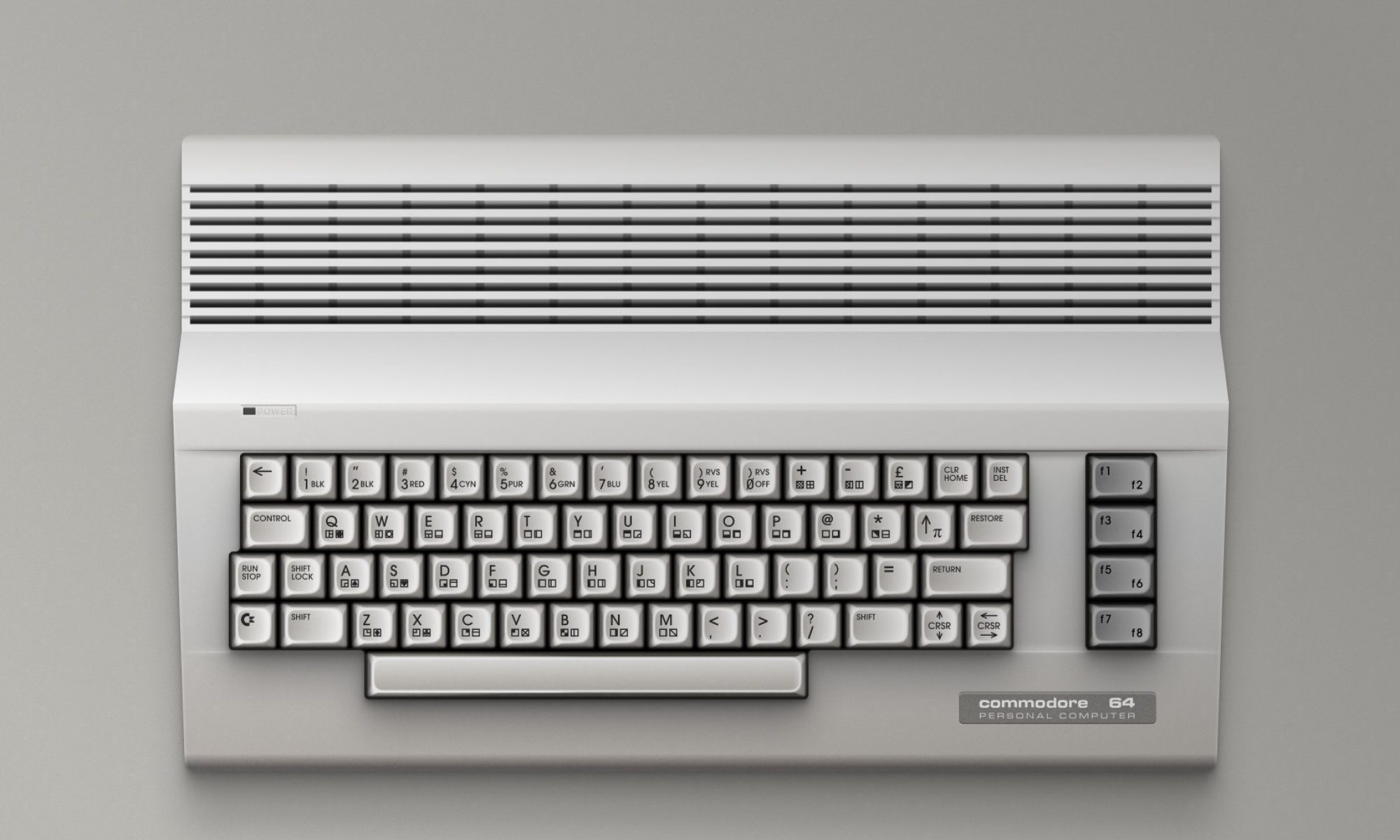

576 KByte was launched in June 1990 in Hungary as a computer and video game magazine. Its name was symbolic: by adding the Commodore 64’s 64 KB of memory to the Amiga’s 512 KB RAM, you got 576 – a clever nod to the two most popular platforms of the era.

The magazine played a pioneering role in shaping Hungary’s video game culture. It didn’t just publish news and reviews; it built a community, opening the world of video games to thousands of young readers. With its unique humor, detailed coverage, and modern design for the time, it quickly became a cult favorite.
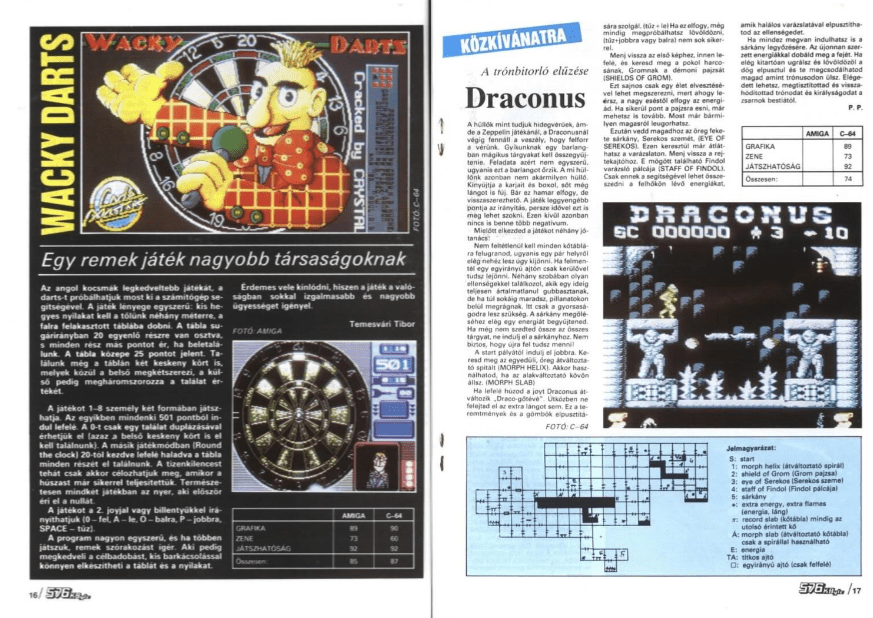
The Golden Age of the Magazine
- 1990–2002: Monthly print issues covering everything from Commodore 64 and Amiga titles to PC, Nintendo, Sega, and later PlayStation games.
- 1997: Console-related content spun off into a new magazine, 576 Konzol.
- 2008–2010: A short-lived revival as a modern, multiplatform magazine.
- 2014: The online version was discontinued, and the brand became primarily associated with the video game retail chain.

576 KByte’s Own Video Games
Few people know that 576 KByte also ventured into game development. Their most notable titles include:
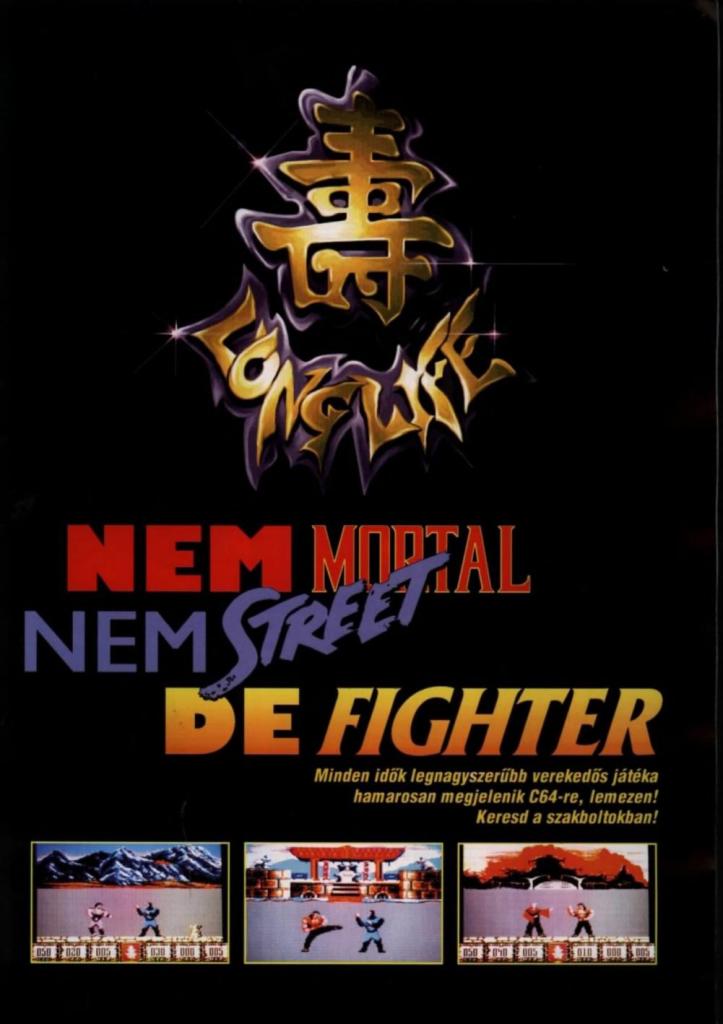
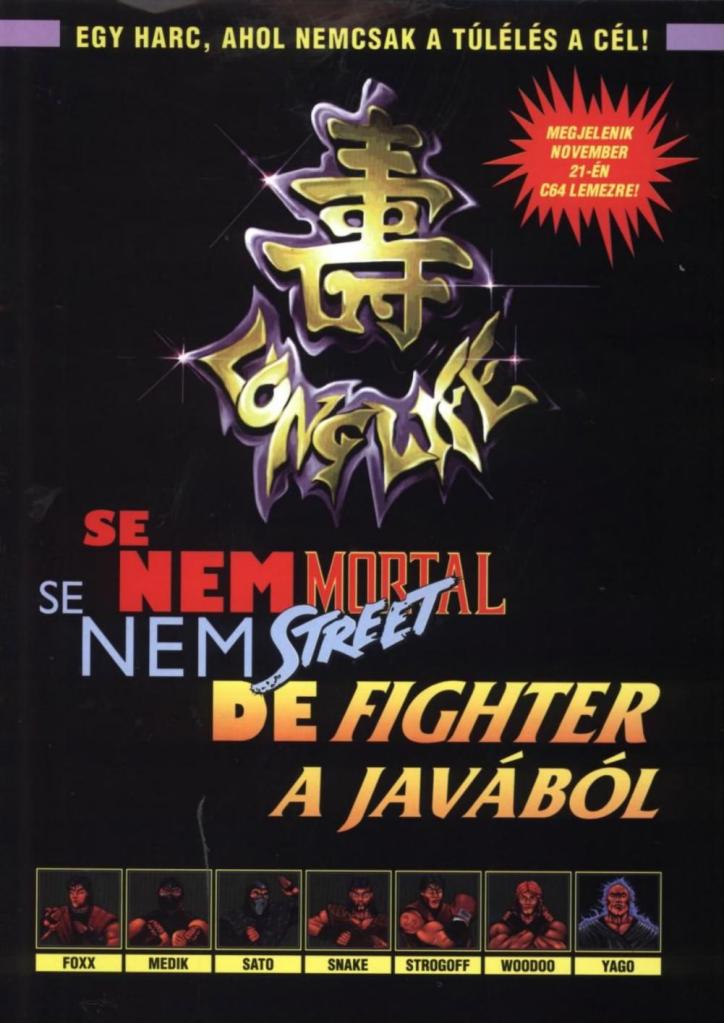
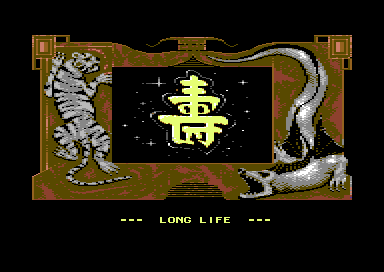
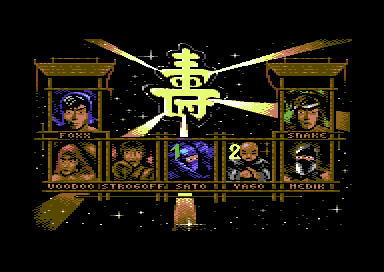
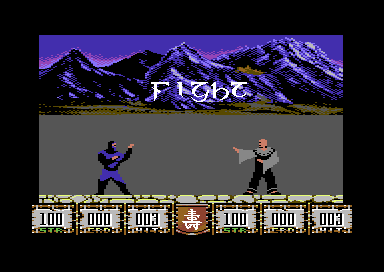
1. Long Life (1994)
- Genre: Fighting game
- Description: Inspired by Mortal Kombat, players controlled a fighter named SATO against AI opponents or a second player.
- Features:
- Fast animations, colorful backgrounds, and digitized sound effects
- A scoring and credit system used to upgrade stamina and attack power
- A special move, the “fireball,” costing 10 credits
- Fun fact: The game supported two-player mode, which made it especially popular at the time.

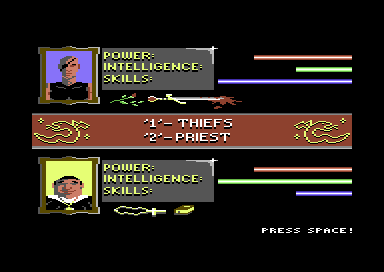
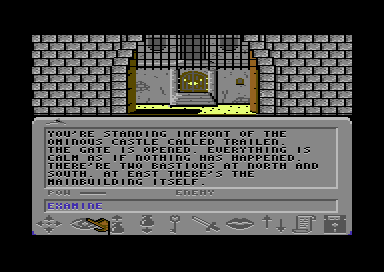
2. The Castle (A Kastély, mid-1990s)

- Genre: Adventure game
- Description: A classic text-and-graphics adventure where players explored the mysteries of a haunted castle.
- Features:
- Classic text-and-graphics adventure
- Exploration of a haunted castle
- Puzzle-solving and item collection
- Cult status among Hungarian C64 fans


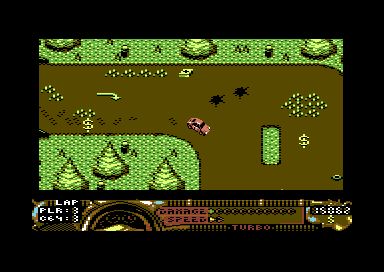
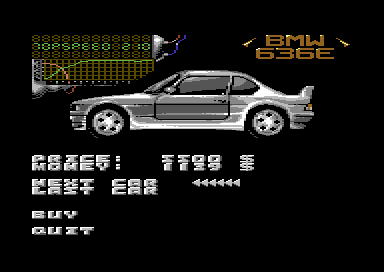
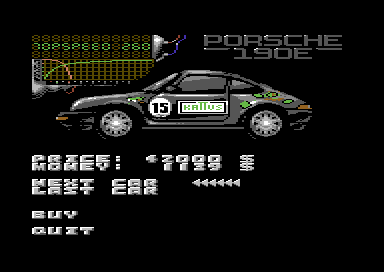
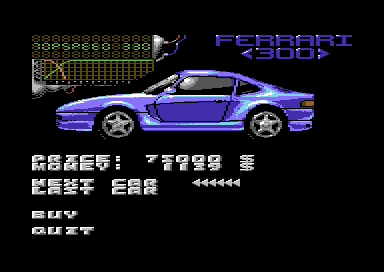
3. Bburago Rally (1995)

- Genre: Racing – top-down
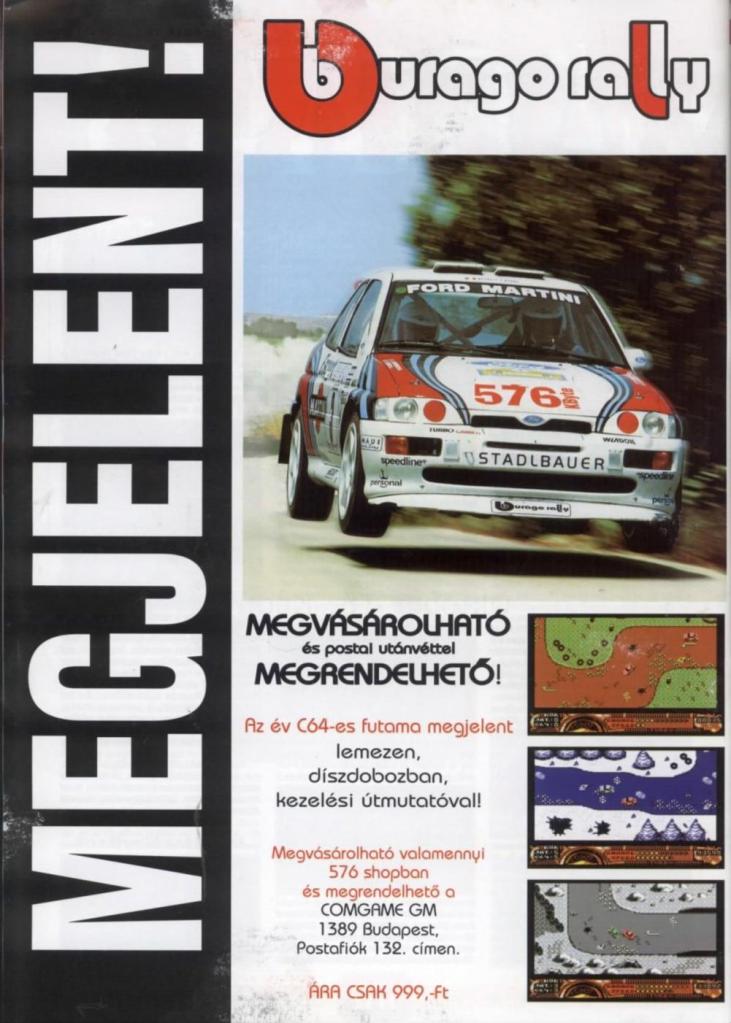
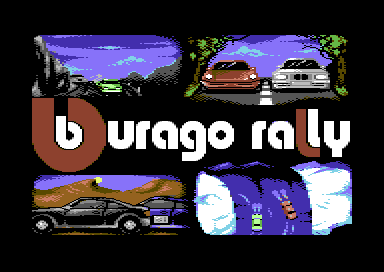
- Description: Inspired by Bburago model cars, this game let players race miniature vehicles on overhead tracks filled with curves and obstacles. Its playful theme made it stand out.
- Features:
- Racing with toy-like Bburago cars
- Overhead tracks with curves and hazards
- Accessible and fun design

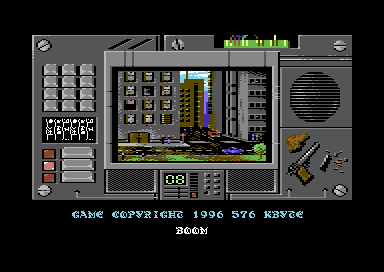
4. Boom (1996)
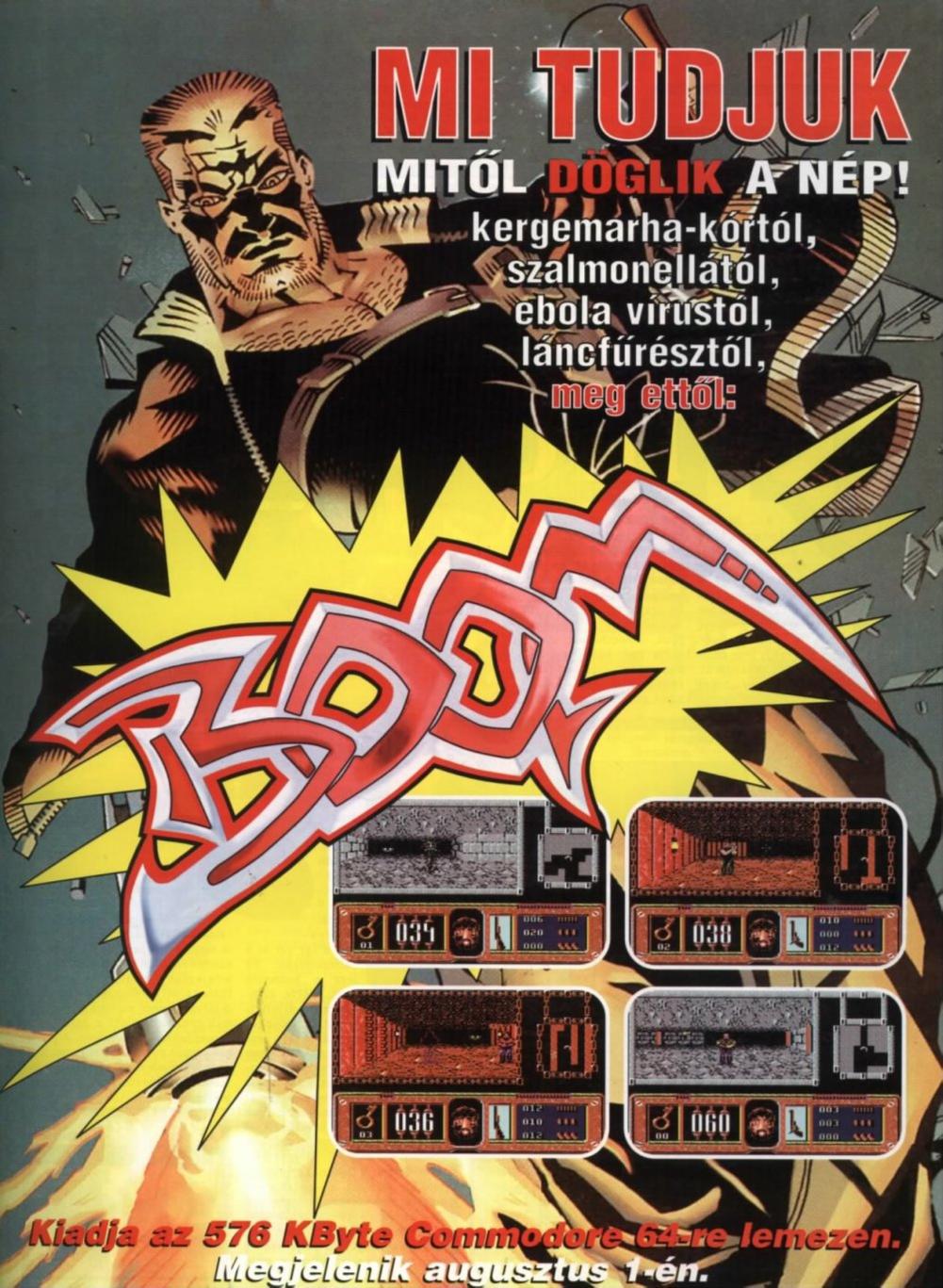
- Genre: Adventure – arcade with 3D elements
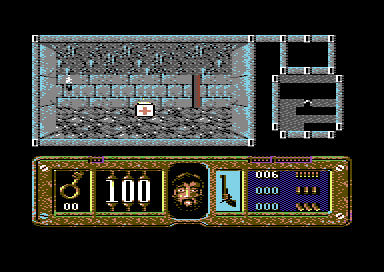
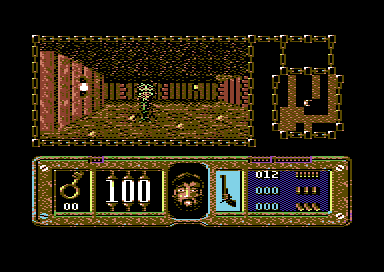
- Description: An ambitious Hungarian action-adventure that pushed the C64’s limits with pseudo-3D effects. Players navigated maze-like environments, fought enemies, and overcame traps.
- Features:
- Hungarian-developed action-adventure
- Maze-like levels to explore
- Obstacles and enemies to overcome
- Unique graphical tricks for the C64’s limitations
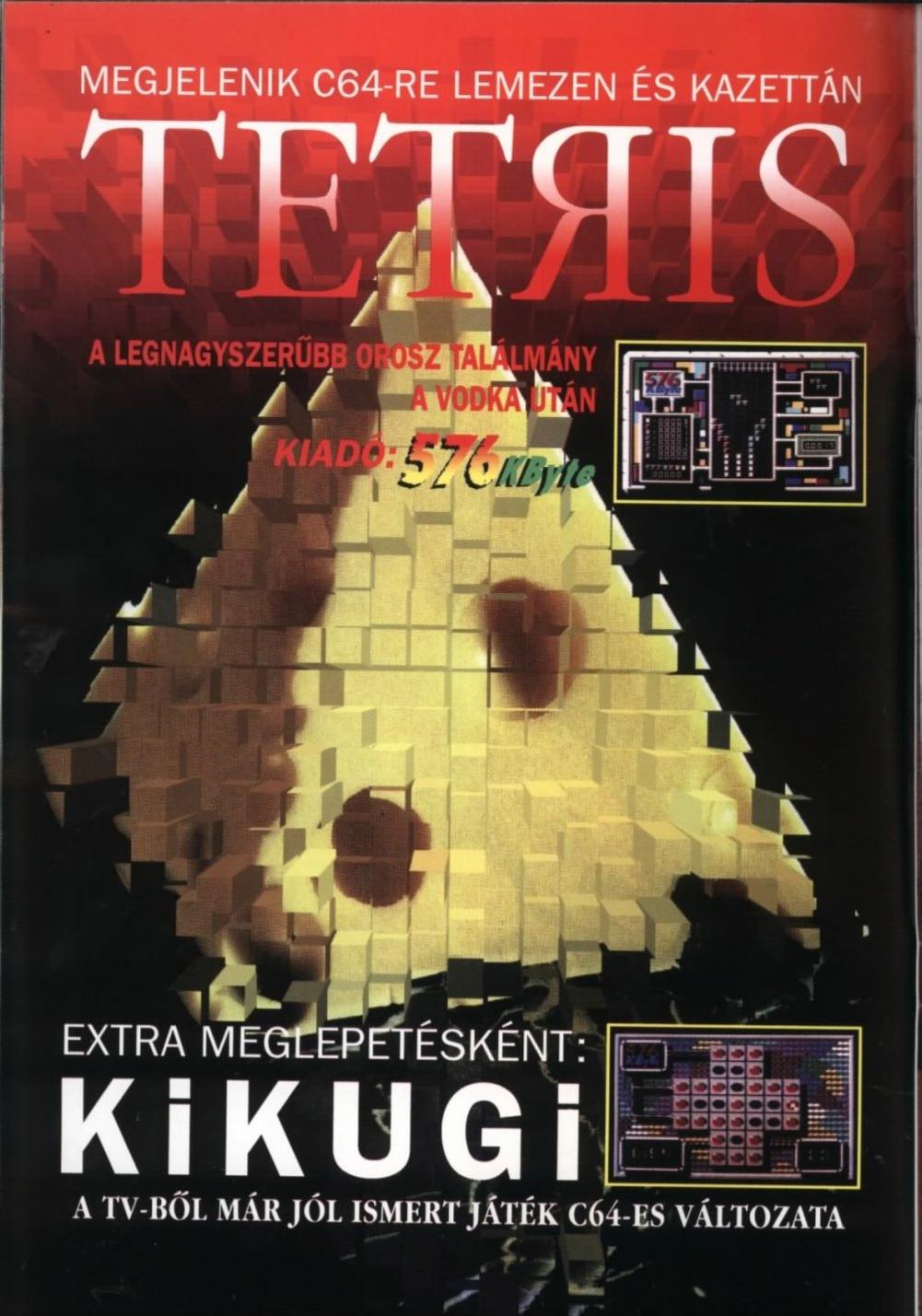
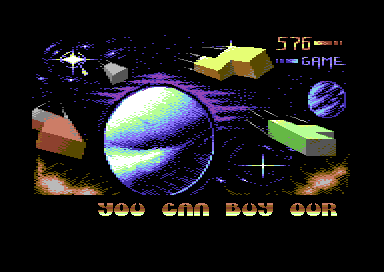
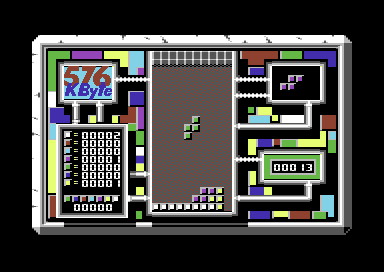
5. Tetris (1993)
- Genre: Arcade – puzzle
- Description: A Commodore 64 adaptation of the world-famous puzzle game. Falling blocks had to be arranged into complete lines, with the speed increasing as the game progressed.
- Features:
- Classic Tetris adaptation for the C64
- Increasing speed as levels progress
- Score-based gameplay with high-score chasing
- Simple yet addictive mechanics
6. Connection (1992)
- Genre: Puzzle – logical game
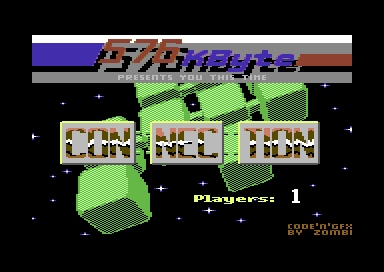
- Description: A minimalist Hungarian puzzle game where players had to connect elements in the correct order to solve each stage. It emphasized pure logic and problem-solving over flashy visuals.
- Features:
- Brain-teasing logic puzzles
- Connect elements in the right order to progress
- Minimalist design, focused on problem-solving
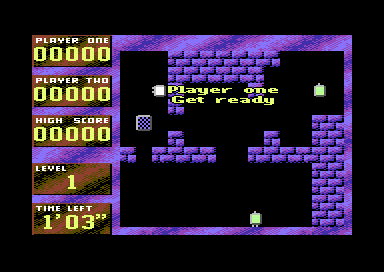
7. Kikugi (1993)
- Genre: Puzzle – solitaire
- Description: A Hungarian solitaire-style logic game requiring strategic placement and removal of pieces. Simple in appearance, but surprisingly deep and addictive.
- Features:
- Hungarian solitaire-style logic game
- Strategic placement and removal of pieces
- Simple rules, but challenging gameplay


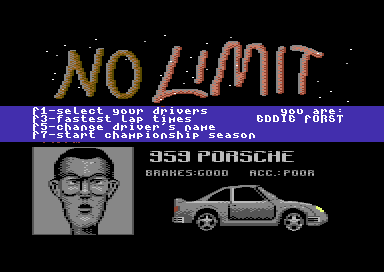
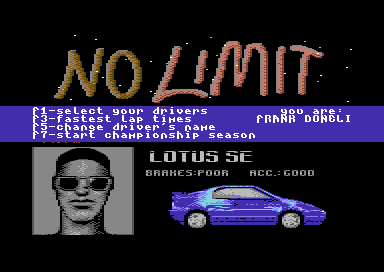
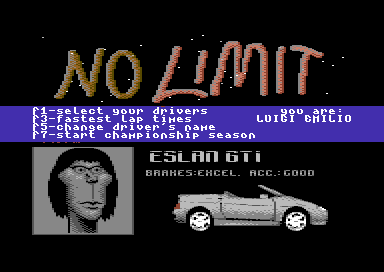
8. No Limit (1994)

- Genre: Racing – top-down
- Description: A high-speed overhead racing game with multiple tracks of increasing difficulty. It delivered arcade-style thrills and competitive time challenges.
- Features:
- High-speed overhead racing
- Multiple tracks with increasing difficulty
- Arcade-style time challenges

Other Experiments
576 Media and its partners also released smaller, lesser-known titles for Commodore 64 and PC. Many of these appeared as demos or magazine cover disks, surviving mainly through the dedication of retro gaming communities.
Legacy and Impact
The importance of 576 KByte goes far beyond its own games:
- Community building: Through forums, letters, and contests, it became one of the cradles of the Hungarian gamer community.
- Game distribution: The 576 KByte Shop chain was the leading video game retailer in Hungary during the 1990s.
- Cultural influence: Its style, language, and visuals remain nostalgic touchstones for an entire generation of Hungarian gamers.
576 KByte was more than just a magazine – it was a cultural icon that defined the first two decades of Hungarian video gaming. While its own titles, such as Long Life and The Castle, never achieved international fame, they were important milestones in Hungary’s gaming history. The legacy of 576 KByte still lives on today: in the memories of gamers and in the very foundations of Hungarian video game culture.
The 576 KByte TV Show
Beyond the magazine, retail shops, and even its own games, 576 KByte also expanded into television. In the mid‑1990s, Hungarian viewers could tune in to the 576 KByte TV Show, a weekly program dedicated entirely to video games.
At a time when the internet was still rare in Central Europe, the show became a gateway to the global gaming world for Hungarian players. It featured reviews and previews of the latest PC, console, and Commodore titles, reports from international expos such as the Electronic Entertainment Expo (E3), and interactive competitions that involved viewers directly.
The program’s style mirrored the magazine: youthful, humorous, and energetic. Many of the hosts were the same editors who wrote for the print edition, which gave the brand a consistent personality across media.
For a generation of Hungarian teenagers, this was the first time video games appeared on national television. The 576 KByte TV Show not only entertained but also legitimized gaming as a hobby and helped build a strong local community. Though it eventually ended, its legacy remains a fascinating example of how a local brand could grow into a multimedia presence—spanning print, retail, software, and broadcast—to shape an entire country’s gaming culture.
Discover more from The Universe of Commodore 64
Subscribe to get the latest posts sent to your email.
