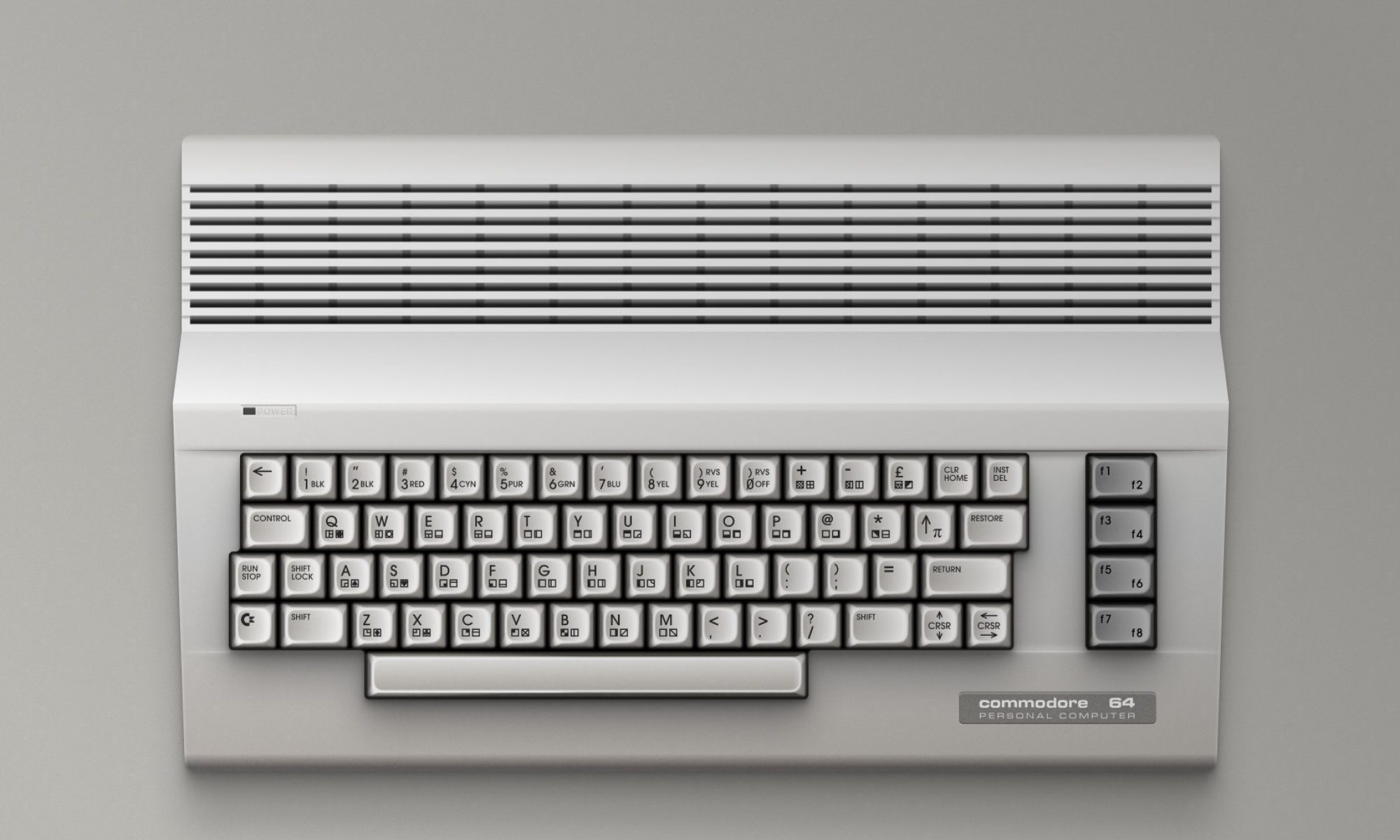

Discover the legendary Commodore 64 games that have entertained generations and continue to inspire fans and developers alike. In this selection, you’ll find some of the very best classics – each with a short description, fun trivia, and handy tips. Whether you’re a nostalgic veteran or a first‑time explorer, you’re sure to find your favourites here.
The Last Ninja (1987)
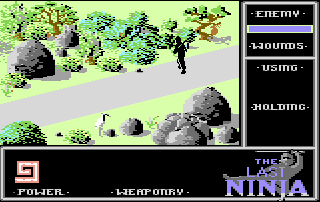
- Genre: Action‑adventure
- Why it’s a classic: Groundbreaking graphics and sound for its time, exciting combat system blended with clever puzzles.
- Tip: Pay close attention to your surroundings – the key to progress is often hidden in plain sight.
Impossible Mission (1984)
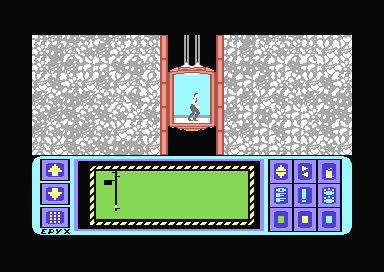
- Genre: Platform / puzzle
- Why it’s a classic: Known for the iconic “Stay a while… stay forever!” line, randomly generated rooms, and time‑pressured gameplay.
- Tip: Mastering efficient lift usage can save you precious minutes.
Bubble Bobble (1987)
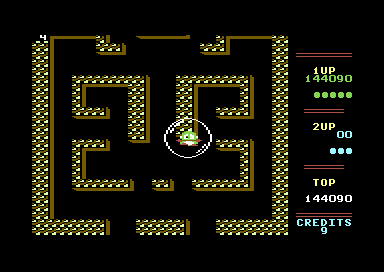
- Genre: Platform
- Why it’s a classic: Cute yet addictive, and especially fun in two‑player mode.
- Tip: Pop multiple bubbles at once to rack up bigger scores.
Elite (1984)
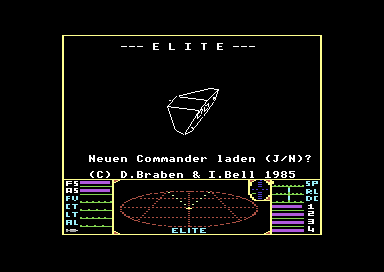
- Genre: Space simulator / trading
- Why it’s a classic: Open‑world exploration, freedom to trade or fight, and a pioneering gameplay scope for its era.
- Tip: Check prices at multiple stations before investing in goods.
International Karate + (1987)

- Genre: Fighting
- Why it’s a classic: Smooth animations, varied moves, and unique three‑player battles.
- Tip: Defence is just as important as offence – don’t forget to block.
Wizball (1987)

- Why it’s great: Unique colour‑collecting shooter with evolving controls.
- Tip: Upgrade movement early to make colour collection easier.
Turrican (1990)
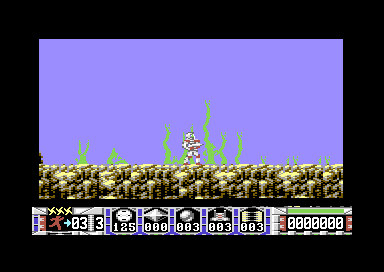
- Why it’s great: Huge run‑and‑gun worlds with hidden secrets.
- Tip: Use the lightning whip to clear enemies above and below.
Paradroid (1985)
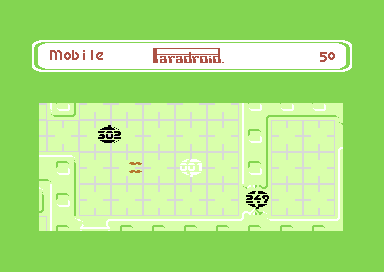
- Why it’s great: Tactical top‑down shooter where you take over enemy robots.
- Tip: Target higher‑level droids only when your energy is high.
Summer Games II (1985)
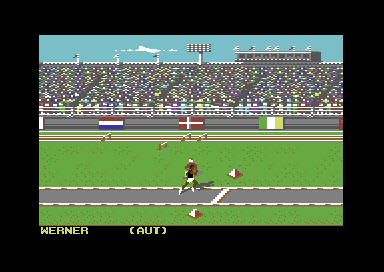
- Why it’s great: Multiple Olympic‑style events with great multiplayer appeal.
- Tip: Learn the timing for each event – button mashing rarely wins.
Bruce Lee (1984)
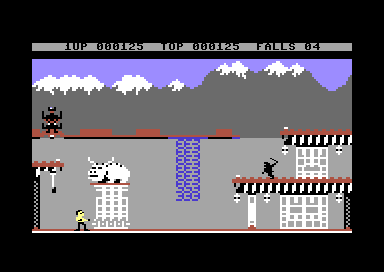
- Why it’s great: Platform brawler with co‑op and competitive modes.
- Tip: In two‑player mode, coordinate with your partner to clear screens faster.
Great Giana Sisters (1987)

- Why it’s great: A platformer inspired by Mario but with its own level design and quirky charm.
- Tip: Check for hidden blocks – they often hide extra lives and power‑ups.
Boulder Dash (1984)
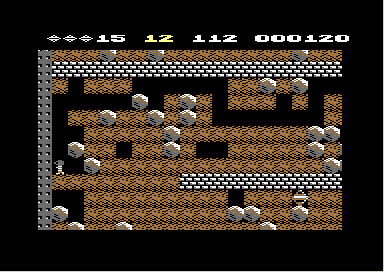
- Why it’s great: A race against time to grab gems in collapsing underground caverns.
- Tip: Always make sure you have an escape route before dislodging boulders.
Mayhem in Monsterland (1993)

- Why it’s great: Eye‑catching, fluid platforming released in the C64’s twilight years.
- Tip: Use your running momentum for longer jumps to access secret areas.
Creatures (1990)
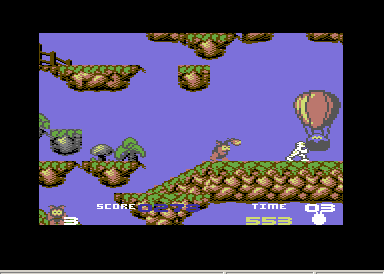
- Why it’s great: Blends platform action with fiendish puzzle‑trap rescue sequences.
- Tip: On trap screens, watch the timing before you attempt to save your friends.
Armalyte (1988)

- Why it’s great: A fierce side‑scrolling space shooter with slick graphics.
- Tip: Practise switching weapons mid‑level to adapt to changing enemy patterns.
Katakis (1988)

- Why it’s great: Fast‑paced shoot ’em up with a range of weapon options.
- Tip: Position your drone so it covers as many attack angles as possible.
Hawkeye (1988)
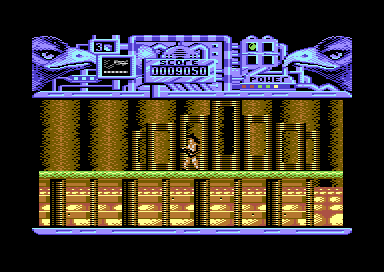
- Why it’s great: A mix of platforming, shooting, and item collecting.
- Tip: Gather all pieces quickly to unlock the exit and power up your gun along the way.
Pitstop II (1984)

- Why it’s great: Two‑player split‑screen racing with tyre wear and pit strategy.
- Tip: Make a pit stop before your tyres blow – it’s faster than limping to the finish.
Rick Dangerous (1989)

- Why it’s great: Indiana Jones‑style adventuring full of lethal traps.
- Tip: Memorise trap locations; many levels require near‑perfect recall.
Cauldron II: The Pumpkin Strikes Back (1986)
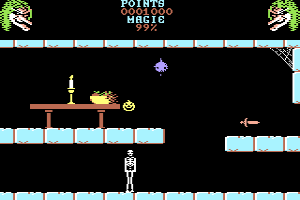
- Why it’s great: A twist on the original – you’re the pumpkin battling the witch.
- Tip: Master the bounce physics to navigate tight spaces effectively.
Ghosts ’n Goblins (1986)

- Why it’s great: A brutally tough side‑scrolling arcade conversion that tests every reflex.
- Tip: Learn enemy spawn patterns so you’re ready before they appear.
Commando (1985)
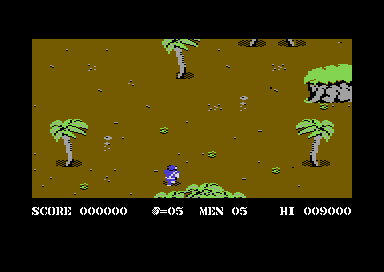
- Why it’s great: Non‑stop top‑down run‑and‑gun with memorable music.
- Tip: Keep moving diagonally to avoid concentrated fire.
Uridium (1986)
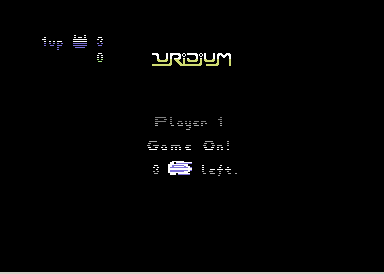
- Why it’s great: High‑speed, side‑scrolling space shooter with sleek visuals.
- Tip: Memorise the dreadnought layouts to minimise risky manoeuvres.
Barbarian: The Ultimate Warrior (1987)

- Why it’s great: One‑on‑one sword duels with cinematic finishing moves.
- Tip: The “neck chop” is risky but can end fights instantly.
MicroProse Soccer (1988)

- Why it’s great: Fast‑paced football action with aftertouch control.
- Tip: Master the banana kick to curl the ball past keepers.
R‑Type (1988)
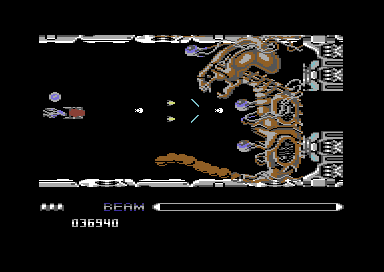
- Why it’s great: Faithful conversion of the arcade sci‑fi shooter with challenging bosses.
- Tip: Use the Force pod as both a shield and a weapon.
Maniac Mansion (1987)

- Tip: Choose your team carefully – each character’s unique skills can unlock different paths to the finale.
- Why it’s great: Quirky point‑and‑click adventure with multiple endings, character‑specific puzzles, and a cast of bizarre, unforgettable residents.
Paperboy (1986)
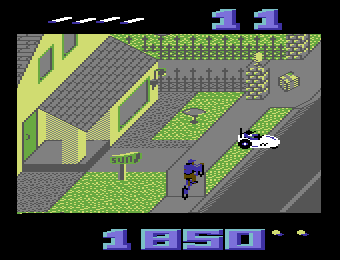
- Why it’s great: Quirky delivery‑route game mixing speed, precision, and chaos.
- Tip: Prioritise hitting subscribers’ mailboxes while avoiding non‑customer houses.
Stunt Car Racer (1989)

- Why it’s great: 3D racing on elevated tracks with physics‑based jumps.
- Tip: Feather the throttle before big ramps to keep your nose level.
Montezuma’s Revenge (1984)

- Why it’s great: Multi‑screen platform exploration full of hazards and treasures.
- Tip: Clear enemies methodically before attempting tricky jumps.
Archon: The Light and the Dark (1983)

- Why it’s great: Chess‑like strategy fused with real‑time arena battles.
- Tip: Control the power points to slowly tilt the balance in your favour.
Defender of the Crown (1986)
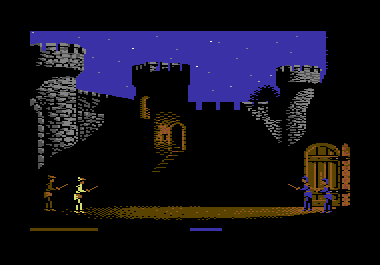
- Why it’s great: Medieval strategy with jousting, swordplay, and castle sieges.
- Tip: Early raids on weak opponents can quickly expand your territory.
Winter Games (1985)

- Why it’s great: Seasonal sports with a mix of speed, precision, and style events.
- Tip: Practise each event individually before going for a full competition run.
Buggy Boy (1985)

- Why it’s great: Fun checkpoint‑racing over varied obstacle‑filled courses.
- Tip: Collect all flags in order for maximum bonus points.
Spy vs Spy (1984)
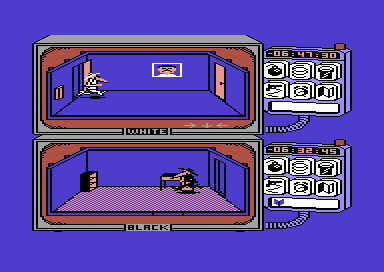
- Why it’s great: Two‑player competitive trap‑laying and item‑collecting madness.
- Tip: Learn the trap‑detection telltales to avoid your rival’s sneaky surprises.
Dropzone (1984)
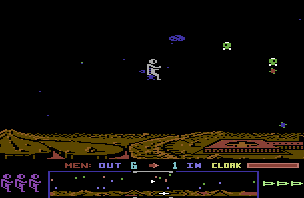
- Why it’s great: Lightning‑fast shooter inspired by arcade Defender.
- Tip: Rescue humanoids early; they’re worth big points and make you harder to hit.
Zak McKracken and the Alien Mindbenders (1988)
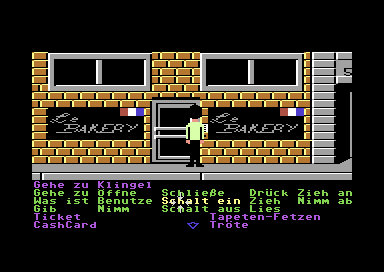
- Why it’s great: Off‑beat point‑and‑click adventure from Lucasfilm Games, packed with surreal humour, globe‑trotting (and Mars‑trotting) locations, and brain‑teasing puzzles that reward curiosity and lateral thinking.
- Tip: Keep notes on clues and symbols – some solutions only click when you connect information from far‑flung places.
Emlyn Hughes International Soccer (1988)
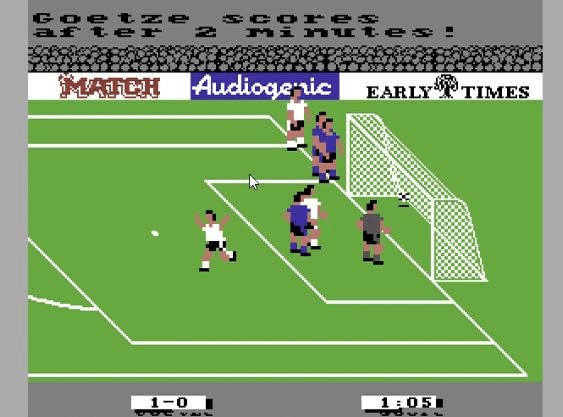
- Why it’s great: Deep football sim with passing and tactics ahead of its time.
- Tip: Use through‑balls to break stubborn defences.
The Sentinel (1986)

- Why it’s great: Unique 3D strategy where you absorb and build to out‑maneuver a watchful foe.
- Tip: Move cautiously – sudden rises in elevation will draw the Sentinel’s gaze.
Hunter’s Moon (1987)

- Why it’s great: Arcade shooter with regenerating mazes and a subtle story.
- Tip: Watch the building patterns to predict safe routes.
Wizard of Wor (1983)
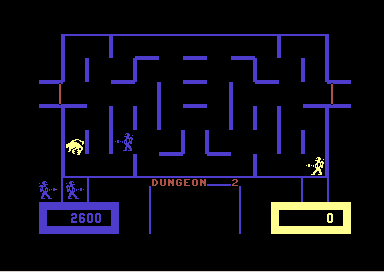
- Why it’s great: Maze‑based shooter where monsters – and your fellow player – are both threats.
- Tip: Use short bursts of fire to keep moving while staying accurate.
Gryzor (Contra) (1987)

- Why it’s great: Run‑and‑gun action with side‑scrolling and pseudo‑3D stages.
- Tip: Learn boss patterns so you can keep maximum firepower on target.
Lightforce (1986)
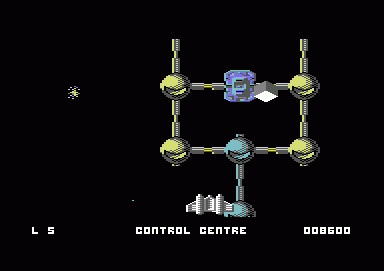
- Why it’s great: Vertically scrolling shooter with vivid backgrounds and smooth motion.
- Tip: Prioritise fast enemies – they’re the hardest to react to later.
Raid on Bungeling Bay (1984)
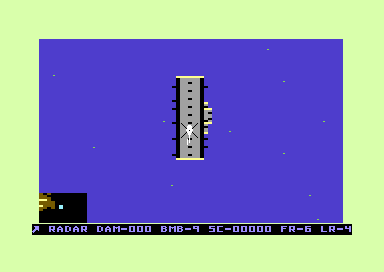
- Why it’s great: Helicopter combat with strategic factory destruction goals.
- Tip: Knock out radar installations early to reduce enemy coordination.
Falcon Patrol II (1984)

- Why it’s great: Side‑view jet combat with fuel and ammo management.
- Tip: Refuel before you’re low – running dry over enemy territory is fatal.
Thrust (1986)
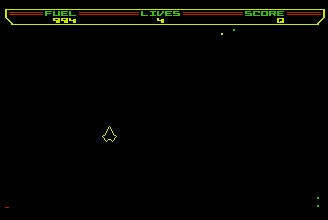
- Why it’s great: Physics‑based precision flying with tow mechanics.
- Tip: Counter‑thrust gently to keep cargo stable during extraction.
Cybernoid (1988)

- Why it’s great: Tough multi‑screen shooter with traps and destructible scenery.
- Tip: Switch weapons often to deal with changing enemy types.
Blue Max (1983)

- Why it’s great: Isometric WWI biplane bombing and strafing runs.
- Tip: Line up with bridges early so you have time to drop bombs accurately.
Saboteur! (1985)

- Why it’s great: Infiltration‑action with stealth, combat, and an escape timer.
- Tip: Plan your exit route before grabbing the objective.
Crush, Crumble and Chomp! (1983)
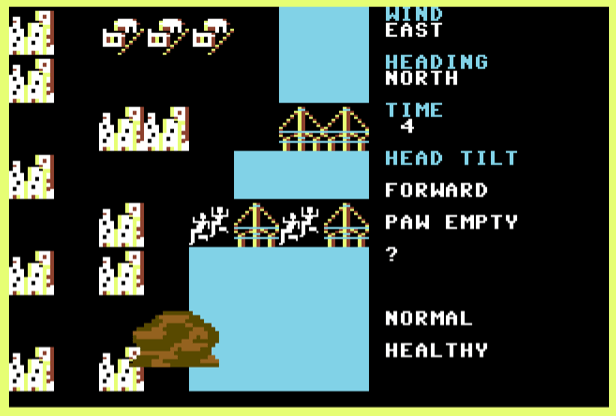
- Why it’s great: Play as a giant movie monster demolishing cities.
- Tip: Destroy power stations first to hamper human defences.
Zynaps (1987)
- Why it’s great: Slick horizontal shooter with precise controls and escalating challenge.
- Tip: Upgrade your weapons early – late‑level enemies are relentless.
Mercenary (1985)
- Why it’s great: Vast open‑world 3D adventure with freedom to explore and solve your mission your way.
- Tip: Make a map of key locations; the landscape is huge and easy to get lost in.
Alleykat (1986)
- Why it’s great: Futuristic racing/shooter hybrid with combat between gates.
- Tip: Fly low over gates for bonus points and to avoid incoming fire.
The Eidolon (1985)
- Why it’s great: First‑person fantasy shooter where you pilot a steam‑powered craft through surreal caverns.
- Tip: Manage your energy – attacking and taking hits both drain it.
Frankie Goes to Hollywood (1985)
- Why it’s great: Genre‑blending mystery where mini‑games unlock clues to “The Pleasuredome.”
- Tip: Explore everything; even mundane rooms hide vital puzzles.
Thing on a Spring (1985)
- Why it’s great: Bouncy platform adventure with memorable music and physics.
- Tip: Use momentum to clear large gaps – timing is key.
Hypersports (1985)
- Why it’s great: Arcade sports events ranging from swimming to clay pigeon shooting.
- Tip: Learn the rhythm for each event rather than button‑mash.
Revenge of the Mutant Camels (1984)
- Why it’s great: Surreal shoot‑’em‑up from Jeff Minter with bizarre enemies.
- Tip: Grab every odd‑looking power‑up – effects may surprise you in a good way.
Delta (1987)
- Why it’s great: Stylish side‑scrolling shooter with selective weapon bonuses.
- Tip: Only pick up bonuses that match your current upgrade plan.
Laser Squad (1988)
- Why it’s great: Deep turn‑based tactical combat with multiple scenarios.
- Tip: Use cover and overwatch fire to force enemies into kill zones.
Impossible Mission II (1988)
- Why it’s great: Expands the original’s platform‑puzzle espionage with new enemy types and improved graphics.
- Tip: Map each building’s layout to optimise your search for puzzle pieces.
Project Firestart (1989)
- Why it’s great: Cinematic sci‑fi horror adventure often called a precursor to survival horror games.
- Tip: Conserve ammo – some encounters are better avoided entirely.
Mayhem (fictional entry)
- Why it’s great: Chaotic top‑down shooter with dynamic arenas and unpredictable hazards.
- Tip: Keep moving; staying still makes you an easy target.
Battle Valley (1988)
- Why it’s great: Tactical vehicle combat swapping between tank and helicopter missions.
- Tip: Destroy bridges in the right order to slow enemy advances.
Alley Cat (1984)
- Why it’s great: Quirky arcade‑style mini‑games tied together by a mischievous cat’s rooftop wanderings.
- Tip: Time your leaps carefully – fall damage isn’t a thing, but missing targets costs you.
Protector II (1983)
- Why it’s great: Defender‑style rescue shooter with added vertical terrain.
- Tip: Sweep the skies first before collecting ground targets.
Exolon (1987)
- Why it’s great: Run‑and‑gun action with upgradeable armour and heavy weaponry.
- Tip: Switch to grenades for stationary defences – saves health in the long run.
Spindizzy (1986)
- Why it’s great: Isometric exploration and puzzle solving with gravity‑defying paths.
- Tip: Take your time; rushing leads to falls that waste precious energy.
Way of the Exploding Fist (1985)
- Why it’s great: Groundbreaking martial arts fighter with fluid animation and varied moves.
- Tip: Mix high and low kicks to throw off defensive opponents.
Mr. Do! (1984)
- Why it’s great: Arcade digging game with a twist – you can attack while collecting cherries.
- Tip: Drop apples strategically to take out multiple enemies at once.
Space Taxi (1984)
- Why it’s great: Quirky gravity‑based taxi game where you ferry passengers between floating pads.
- Tip: Gentle thrust control is key – hard landings cost you time and tips.
H.E.R.O. (1984)
- Why it’s great: Rescue missions deep underground using a helicopter‑backpack.
- Tip: Destroy walls only when needed to save dynamite for later obstacles.
Park Patrol (1984)
- Why it’s great: Light‑hearted action as you clean up a park while dodging wildlife and hazards.
- Tip: Swim diagonally to outrun snakes in the water.
BMX Simulator (1986)
- Why it’s great: Top‑down racing with short but challenging dirt tracks.
- Tip: Feather turns – sliding wide will cost precious seconds.
Choplifter! (1985)
- Why it’s great: Side‑scrolling rescue game switching between combat and careful landings.
- Tip: Keep an eye on fuel; detours for refuelling are worth it to save more hostages.
Rescue on Fractalus! (1985)
- Why it’s great: Atmospheric first‑person sci‑fi rescue flights over jagged alien terrain.
- Tip: Always scan approaching pilots – some may not be human.
Bruce Lee II (fictional entry)
- Why it’s great: Fan‑inspired sequel expanding the martial platforming action with new arenas.
- Tip: Use verticality – platforms above often hide bonus items.
International Basketball (1985)
- Why it’s great: Simple but surprisingly competitive 2‑on‑2 hoops.
- Tip: Time your jump shots at the peak for maximum accuracy.
Pole Position (1984)
- Why it’s great: Arcade racing classic with qualifying laps and tight curves.
- Tip: Learn braking points; overshooting a corner loses far more time than slowing early.
Tapper (1984)
- Why it’s great: Serve drinks fast enough to keep customers happy without dropping mugs.
- Tip: Clear farthest bars first – closer patrons approach much faster.
Green Beret (1986)
- Why it’s great: Side‑scrolling military action with close‑quarters combat and non‑stop pressure.
- Tip: Learn enemy spawn points so you can strike first and keep advancing.
Qbert (1984)*
- Why it’s great: Arcade classic with isometric hopping puzzles and pesky enemies.
- Tip: Use edge platforms to lure enemies into falling off.
Kikstart II (1987)
- Why it’s great: Split‑screen stunt biking over tricky obstacle courses.
- Tip: Balance speed and precision – reckless jumps usually mean a reset.
Time Pilot (1985)
- Why it’s great: Free‑roaming shooter where you battle through multiple eras of aerial combat.
- Tip: Target enemy waves quickly to trigger bonus stages sooner.
Gauntlet (1986)
- Why it’s great: Dungeon‑crawling co‑op with hordes of enemies and endless replay value.
- Tip: Destroy monster generators immediately to keep rooms manageable.
Leader Board Golf (1986)
- Why it’s great: Pioneering golf sim with smooth swing mechanics.
- Tip: Factor in wind and power – full swings aren’t always the answer.
Mission Elevator (1986)
- Why it’s great: Espionage‑themed platformer with elevators and sneaky enemy guards.
- Tip: Wait for guard patterns before moving between floors.
Batalyx (1985)
- Why it’s great: Multi‑game challenge combining speed, shooting, and strategy.
- Tip: Conserve energy between stages – you’ll need it later.
Split Personalities (1986)
- Why it’s great: Sliding‑tile puzzle with political caricatures and booby traps.
- Tip: Clear hazards early so they don’t undo your progress.
Gorf (1983)
- Why it’s great: Multi‑stage shooter with different enemy patterns and perspectives.
- Tip: Use the temporary shield sparingly – it’s your last line of defence.
Wizardry: Proving Grounds of the Mad Overlord (1987)
- Why it’s great: Classic dungeon‑crawling RPG adapted for the C64, with deep party management.
- Tip: Keep multiple save disks – a bad delve can wipe your whole party.
One on One (1984)
- Why it’s great: Intense basketball duels between Julius Erving and Larry Bird.
- Tip: Fake one way, shoot the other – the AI can be bluffed.
Zorro (1985)
- Why it’s great: Side‑scrolling adventure with environmental puzzles and swashbuckling charm.
- Tip: Items often have non‑obvious uses – experiment in different locations.
Super Cycle (1986)
- Why it’s great: Arcade motorcycle racing with colourful, changing courses.
- Tip: Watch weather changes – rain affects handling more than it seems.
BurgerTime (1984)
- Why it’s great: Assemble giant burgers while dodging relentless food enemies.
- Tip: Drop ingredients when enemies are on them for bonus points and a clear lane.
Hunchback (1984)
- Why it’s great: Timing‑based platformer where you rescue Esmeralda across dangerous castle walls.
- Tip: Learn rope swing timing to avoid endless retries.
Jumpman (1983)
- Why it’s great: Multi‑level platform game with varied hazards and objectives each stage.
- Tip: Don’t rush – patterns often change midway through a level.
Oil’s Well (1984)
- Why it’s great: Guide a drill head deep underground to collect oil while avoiding hazards.
- Tip: Retract quickly at the first sign of danger – it’s faster than navigating around it.
Spy Hunter (1984)
- Why it’s great: Driving‑combat hybrid with weapon‑equipped sports cars.
- Tip: Use smoke screens to buy time in crowded traffic.
Jumpman Junior (1983)
- Why it’s great: Compact sequel to Jumpman with tighter, more challenging levels.
- Tip: Learn the shortest safe routes – efficiency is everything here.
